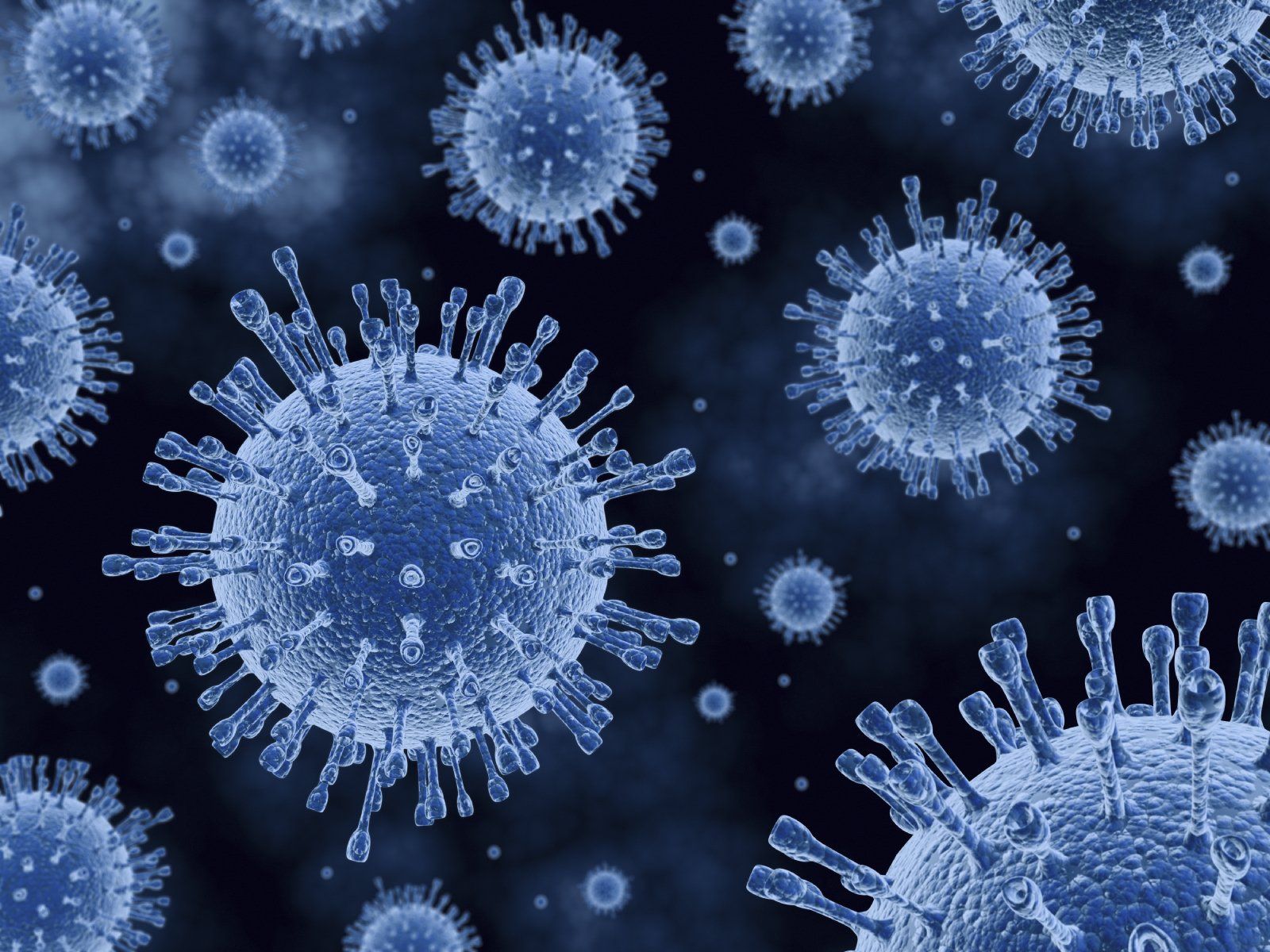
Chlamydia in Birds
Chlamydia psittaci: what is it, how does it spread, clinical signs

Early diagnosis of any disease is important so that specific treatment can be started as soon as possible, recovery is as smooth and quick as possible, and the chance of the disease spreading, either to in contact animals or people, is kept to a minimum. Most birds are well known to hide the signs of disease they may be suffering from. This is because, as prey species, in the wild they would be predated on as soon as they appeared to be weaker than the rest of their flock. The need for a quick diagnosis at the time a bird is presented in a veterinary clinic is of the utmost importance, as they have often been subclinically ill for a longer time than has been obvious to their owner.
Chlamydia psittaci is a bacterial infection that causes disease in many species of parrot. The disease may be referred to as psittacosis, chlamydiosis, chlamydophilosis, or ornithosis in other species of bird. It is especially common in budgies, cockatiels, macaws and lorikeets, although it can affect any parrot. Infection can be asymptomatic or symptomatic, with sudden death sometimes occurring. This disease is of zoonotic concern, especially in the elderly, very young or immunocompromised.
What is Chlamydia psittaci?
Chlamydia, or Chlamydophila psittaci, is an obligate intracellular bacteria, meaning that, similar to viruses and parasites, it has to live inside the hosts cells to survive, reproduce and cause disease. This makes eradicating the disease with treatment challenging. Latent infection is common, with infected birds not always exhibiting clinical signs of disease, and shedding of the bacteria seen intermittently. Transmission to humans can lead to a disease called psittacosis or ornithosis, which typically causes flu-like symptoms, but can lead to pneumonia or non-respiratory disease.
How is this disease spread?
Chlamydia is spread from bird to bird, or bird to human, by inhalation or ingestion of dust particles that contain the bacteria. These particles become airborne from dried faeces or respiratory secretions. Less commonly, beak to mouth contact and bite wounds can lead to bird to human transmission, and direct spread to offspring can be seen as a result of food regurgitation.
Common clinical signs associated with Chlamydia infection in birds.
Chlamydia can lead to a range of clinical signs in birds. Some animals will be asymptomatic, with others showing mild non-specific illness, for example lethargy, weight loss, a fluffed up appearance and anorexia, while others can be clinically normal before collapse and death. Respiratory tract signs are commonly seen, including nasal and ocular discharge, sneezing and respiratory distress. Chlamydia will also commonly lead to gastrointestinal signs, such as diarrhoea, vomiting and bright green urates and faeces, most often as a result of hepatic involvement.
Common clinical signs associated with Chlamydia infection in humans
Mild infection in humans will cause flu-like symptoms such as a fever, headache, myalgia, a dry cough and/or dyspnoea which may progress to pneumonia. In more severe cases other organs can be affected which can lead to encephalitis, conjunctivitis, hepatitis, arthritis and cardiac problems such as endocarditis and myocarditis. If any of these clinical signs occur after contact with a bird, whether they are showing symptoms or not, you should visit your doctor as soon as possible. Human to human transmission is not known to occur.
Do we have to report positive cases in the UK?
In the UK, Chlamydia psittaci is not classified as a traditional notifiable disease in the same category as high-consequence infections such as avian influenza. However, under the Psittacosis (Ornithosis) Order, detection of C. psittaci in psittacine birds is statutorily reportable to the Animal and Plant Health Agency (APHA) . This reflects its importance as a zoonotic infection with public health implications, rather than a disease primarily managed through livestock control frameworks. UKHSA guidance also highlights the human health risks associated with psittacosis and the need for appropriate precautions when handling birds or contaminated materials.
This requirement is specific to psittacines and differs from poultry and other avian species, where C. psittaci does not fall under the same statutory reporting framework as major notifiable poultry diseases. Despite this distinction, the infection remains clinically relevant across all bird groups, and appropriate veterinary management, hygiene, and biosecurity measures are essential whenever infection is suspected or confirmed.
At ParasiteVet, we offer reliable laboratory screening for Chlamydia psittaci as part of our avian diagnostic services.
Currently, testing is performed using a validated faecal antigen assay, allowing detection of active infection in both symptomatic and clinically normal birds. This provides a practical, accessible screening tool for routine health checks, new bird introductions, and investigation of clinical disease.
We are also expanding our diagnostic capability, with real-time PCR testing being introduced in the near future. PCR will provide increased analytical sensitivity and specificity, enabling detection of low-level infections and supporting more detailed clinical and epidemiological assessment.
Our approach focuses on:
Early detection, even in clinically normal birds
Supporting veterinary decision-making
Reducing zoonotic risk
Providing clear, professional laboratory reports
Testing is particularly recommended for:
New bird introductions
Multi-bird households
Breeding collections
Birds with vague or chronic illness
References
https://www.gov.uk/guidance/psittacosis
https://www.gov.uk/government/publications/zoonoses-and-veterinary-public-health-disease-surveillance-reports